Choosing a carpet for a London home is rarely just about picking a colour from a sample book. The room, amount of foot traffic, natural light, stairs, pets, children and the way you use the space all affect which carpet will make sense.
That is why visiting a carpet shop London residents can actually browse in person can be useful. You can compare pile textures, colours and materials rather than trying to judge everything from a photograph.
For homes around Chelsea, Fulham and South Kensington, the choice is particularly broad. Wool, sisal, seagrass, loop pile, twist, patterned and manmade carpets can all create very different results.
Looking for a carpet for your London home? Visit our showroom on Fulham Road or call us on +44 20 7352 5111 for advice on your options.
What Should You Consider Before Buying a Carpet?
The best carpet depends on the room and how that room is used. A quiet bedroom does not need the same construction as a busy hallway, and a family living room has different requirements from a formal sitting room.
Before choosing a style, consider:
- How much foot traffic the room receives
- Whether the carpet is for stairs or a flat floor
- Whether children or pets regularly use the room
- How much natural light the room receives
- Whether you prefer natural or synthetic fibres
- How often you want to clean or replace the carpet
- Whether the room has underfloor heating
- How the carpet will work with your existing furniture
For example, a pale, delicate carpet may look excellent in a rarely used formal room but require more thought in a busy entrance hallway.
Wool Carpets: A Popular Choice for London Homes
Wool remains one of the most established choices for residential carpet flooring because it combines natural softness, warmth and resilience.
The important point is that not all wool carpets are identical. Construction, pile weight, pile height, backing and suitability rating can change how a particular carpet performs.
One example in the Brompton Carpets range is the Telenzo Chelsea Sand, which uses 100% three-ply wool, a loop-pile construction, a 2,100g/m² pile weight and 4m or 5m widths. It is listed for heavy domestic and general contract use.
Another option, the Cavalier Millstone range, uses 100% wool with a loop-pile tufted construction and woven secondary backing, with heavy domestic suitability.
These specifications matter more than simply calling a carpet “luxury”. They tell you something about the material and intended use.
What Are Natural Fibre Carpets?
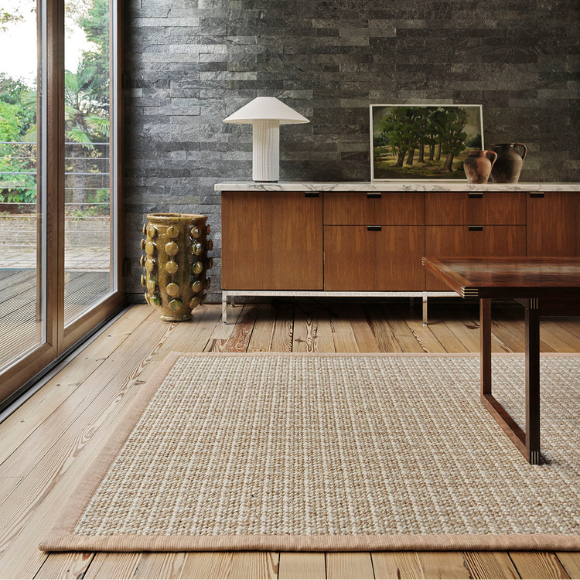
Natural fibre flooring includes materials such as sisal, seagrass, jute and coir. These have distinctive textures and can suit interiors where the flooring itself is intended to contribute to the character of the room.
Sisal, for example, has a more structured woven appearance, while seagrass tends to create a relaxed natural look. Jute can offer a softer, more textured appearance, whereas coir is known for its harder-wearing character.
Brompton Carpets specifically lists coir, jute, seagrass, sisal, sisool and wool within its material range.
These materials should not be selected purely on appearance. Think about the room, cleaning requirements and level of traffic before deciding.
Loop Pile or Cut Pile: What Is the Difference?
The construction of a carpet changes both its appearance and how it feels underfoot.
Loop pile carpets have yarn loops that create a textured surface. They can work particularly well in hallways, living areas and interiors where a more structured appearance is preferred.
Cut pile carpets have the loops cut, producing a different texture and feel. Depending on the yarn and construction, they can create anything from a smooth, understated surface to a deeper, softer finish.
There are also patterned and textured constructions that combine visual interest with practical performance.
The Brompton Carpets catalogue allows customers to filter products by carpet type and material, including loop, twist, wool, polypropylene, sisal, seagrass, Tencel and other constructions.
Choosing Carpets for Busy Areas
High-traffic rooms need a carpet that can cope with regular use.
Hallways, stairs and family living rooms generally receive more traffic than guest bedrooms. That does not automatically mean you need the heaviest carpet available, but the suitability rating and construction should be checked.
For example, the Riviera Ashdown Maythorne carpet in the current range is made from 100% wool, has a 9mm total carpet height and is listed for heavy domestic and medium contract use. The manufacturer specification also gives details such as pile height, backing and tog rating.
This is the kind of information worth discussing when comparing samples.
A carpet that looks beautiful in a showroom may not be the right choice if its intended use does not match the room where you plan to install it.
Carpet Choices for Bedrooms and Quiet Rooms
Bedrooms give you more flexibility because they generally experience less foot traffic.
This is where texture and comfort can become bigger priorities. A softer cut pile or wool carpet can create a warmer feel underfoot, particularly in a room where you regularly walk barefoot.
Colour also becomes important. Neutral beige, cream, taupe and soft grey tones can work with a wide range of bedroom furniture, while darker shades can create a more enclosed and intimate feel.
The right decision depends on the rest of the room rather than following a particular colour trend.
What Carpet Works Well on Stairs?
Stairs need particular attention because they experience repeated foot traffic and the carpet is exposed to wear along the nosing of each step.
For a staircase, look beyond colour and consider the carpet’s construction and suitability rating. A loop pile or wool-rich carpet may provide the structured appearance some homeowners want, while a dense cut pile can create a different finish. If you’re carpeting a landing that continues into a hallway, our runners range is also worth considering.
Measurements are also important. Staircases can involve turns, landings and unusual dimensions, so the carpet requirement should be assessed based on the actual staircase rather than estimated from the floor area alone.
This is one reason why speaking to a flooring specialist before ordering can prevent expensive mistakes.
Carpet Colour: Should You Go Light or Dark?
There is no universally correct carpet colour. The better choice depends on the room’s size, natural light, furniture and how heavily the floor will be used.
Light carpets can make a room feel open and work well with neutral interiors. They can also show marks more easily.
Mid-tone greys, taupes and beiges are often easier to work into changing décor. Darker carpets can create contrast and make a large room feel more grounded, although they may show lint or dust depending on the fibre and shade.
Bring furniture and wall colours into the decision. A carpet should work with the room rather than being chosen in isolation.
Why Visit a Carpet Showroom in Person?
Online research is useful for narrowing your options, but carpet is a tactile product.
A screen cannot fully reproduce how a 100% wool loop pile feels compared with a synthetic cut pile. Lighting can also change how colours appear, particularly with textured or patterned flooring.
Brompton Carpets has its showroom at 457 Fulham Road, SW10 9UZ, where customers can explore its flooring range and discuss options with the team. The company was established in 2001 and currently works with more than 20 carpet suppliers.
For a substantial flooring purchase, seeing the actual sample in the room can be worth the trip.
What Can You Find at a Carpet Shop in Chelsea?
A carpet shop Chelsea homeowners visit should ideally give them more than a small selection of standard carpets.
The range at Brompton Carpets includes wool, natural fibres, manmade carpets and other flooring options. Its supplier list includes names such as Abingdon, Brintons, Brockway, Cavalier, Cormar, Crucial Trading, Hugh Mackay, Jacaranda, Riviera, Telenzo, Westex and others.
That breadth gives customers more ways to approach a project.
Someone renovating a traditional Chelsea townhouse may want a patterned wool carpet, while a contemporary flat could call for a neutral loop pile or natural fibre floor covering. The room determines the starting point.
Finding the Right Carpet Shop in Fulham
People searching for a carpet shop Fulham are often comparing convenience with range and advice.
Brompton Carpets is located on Fulham Road, making the showroom accessible to customers looking around Chelsea, Fulham and neighbouring parts of southwest London. The location also places it within an area with a large concentration of flooring and interior businesses.
The useful question is not simply “How close is the shop?” It is “Can I see enough options there to make an informed decision?”
With more than 20 suppliers and a large online catalogue, customers can start researching specific materials and collections before visiting.
Carpets for Modern and Traditional London Interiors
London homes vary considerably. Period properties may have original features, fireplaces, high ceilings and traditional proportions, while newer apartments can have open-plan layouts and more contemporary finishes.
Carpet should complement those features.
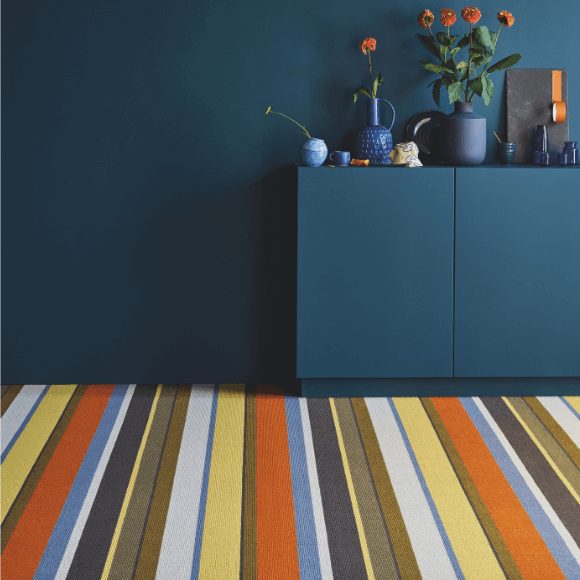
A classic patterned wool carpet can work with traditional architecture, while a subtle neutral tone may suit a minimalist interior. Natural fibre flooring can add texture without introducing a strong colour.
There is also no requirement to carpet every room in the same style. A homeowner might choose a durable loop pile for the hallway, a softer wool carpet for bedrooms and a statement design for a staircase or a fully bespoke rug for a room that needs something more individual.
Using different carpets strategically can make the overall flooring scheme feel more considered.
Carpet Materials Beyond Wool
Although wool is a major part of the Brompton Carpets offering, it is not the only material worth considering.
The catalogue includes polypropylene, nylon, polyester, Tencel, wool blends, sisal, seagrass, jute, coir and other materials.
For example, the Cormar Easy Clean Zenith range uses 100% Excellon polypropylene and is listed for extra-heavy domestic and medium contract use, with a 10-year stain and wear guarantee on the specific product.
Meanwhile, the Jacaranda Kasia Walrus uses 100% Tencel, is handwoven and has a 3,300g/m² gross pile weight.
These examples show why “wool versus synthetic” is too broad a comparison. Construction and intended use matter just as much.
What Should You Ask Before Buying a Carpet?
Before committing to a particular carpet, ask:
- What fibre is it made from?
- What is the pile construction?
- What level of domestic or contract use is it suitable for?
- What widths are available?
- What backing does it have?
- How will it work with the room’s traffic level?
- Is it suitable for stairs?
- Will it work with underfloor heating?
- What cleaning and maintenance does it require?
- How much carpet will the room actually require?
For example, some products in the current collection are available in 4m and 5m widths, while their suitability ratings and tog values vary.
Those details can influence the final choice more than the colour alone.
Why Choose Brompton Carpets?
The main advantage is the combination of local showroom access and a broad supplier range.
Brompton Carpets was founded in 2001 and specialises in wool carpets, natural flooring and other floor coverings. The business works with more than 20 suppliers and offers expert advice for residential and business requirements.
The range also extends beyond carpets into vinyl, LVT, laminate and wood flooring, so customers planning a larger flooring project can compare different options in one place.
That makes the showroom particularly useful when you know the room needs new flooring but have not yet decided which material is right.
Frequently Asked Questions
1. What type of carpet is best for a busy London home?
There is no single carpet that suits every busy household. Look for a construction and suitability rating appropriate to the level of traffic, then consider practical factors such as cleaning, stairs, children and pets.
2. Is wool carpet worth considering?
Wool is a popular choice because it offers natural warmth, softness and resilience. However, wool carpets differ considerably in construction and performance, so check the specific product’s pile, weight and suitability rather than choosing solely because it is wool.
3. Where can I find a carpet shop in Chelsea?
Brompton Carpets is located at 457 Fulham Road, SW10 9UZ, in Chelsea, London. The showroom offers access to a broad selection of carpet and flooring products from more than 20 suppliers.
4. Does Brompton Carpets serve Fulham?
The showroom is on Fulham Road and serves customers across Chelsea, Fulham and surrounding southwest London areas. Customers can visit the showroom to discuss carpet and other flooring requirements.
5. What is the difference between loop pile and cut pile?
Loop pile keeps the yarn in loops, creating a more textured and structured surface. Cut pile has the loops cut, producing a different texture and feel; the final performance depends on the fibre, density and construction.
6. Can I choose natural fibre flooring instead of wool?
Yes. Natural flooring options include sisal, seagrass, jute and coir. Each has a different texture and practical characteristics, so the choice should be based on the room and how the flooring will be used.
7. Should I visit a carpet showroom before ordering?
For a significant flooring purchase, visiting a showroom can be useful because you can see colours under real lighting and compare textures and pile constructions in person. It also gives you an opportunity to discuss the room’s requirements before selecting a particular product.
Visit Our London Carpet Showroom
The right carpet starts with the room, not the trend.
Consider how the space is used, how much traffic it receives, the material you prefer and the level of maintenance you are comfortable with. Then compare actual samples and product specifications before making the final decision.
If you are looking for carpets London homeowners can choose from across a broad range of materials, styles and suppliers, visit our showroom on Fulham Road.
Brompton Carpets 457 Fulham Road SW10 9UZ, Chelsea, London Phone: +44 20 7352 5111 Email: bromptoncarpets@yahoo.co.uk
Opening hours: Monday to Friday: 9:00am–6:00pm Saturday: 10:00am–4:00pm Sunday: Closed
Call +44 20 7352 5111 to discuss your flooring requirements or visit the showroom to compare carpet options in person.